


Biosecurity in Poultry Farms: The Key to Disease Prevention


Biosecurity in Poultry Farms: The Key to Disease Prevention
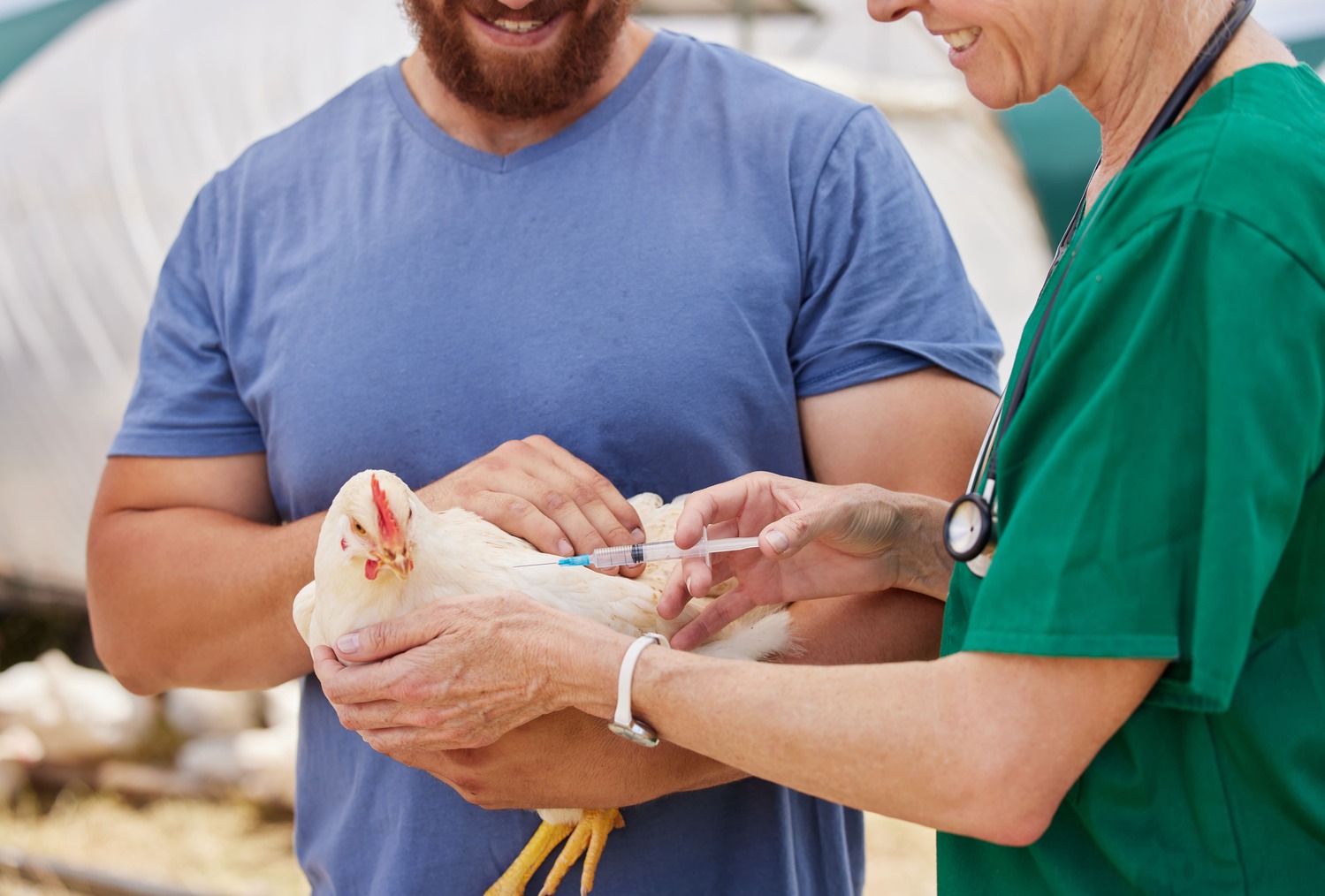
Biosecurity: The Foundation of Disease Prevention
Biosecurity measures act like a shield that protects your birds from disease-causing agents. To achieve the highest level of biosecurity in poultry farms, here are some key practices to consider:
1. Farm Design and Management
Designing a poultry farm with biosecurity in mind is very important. This includes separating birds of different ages, reducing entry points for wild animals, and creating clear zones for clean and contaminated areas.
2. Visitor Management
Limiting access to your farm and requiring visitors to follow disinfection protocols can greatly reduce the risk of diseases entering poultry houses.
3. Rodent and Pest Control
Running an effective rodent and pest control program is essential to stop them from spreading diseases in poultry farms.
Vaccination Programs: Building Immunity in Your Flock
Vaccination is a strong tool to prepare your birds to fight specific diseases. Here is what you need to know:
1. Disease Risk Assessment
Always consult a veterinarian to understand the common diseases in your area. This will help you choose the right vaccines for your flock.
2. Vaccination Schedule
Develop a vaccination schedule with your vet, considering factors such as bird age and recommended timing.
3. Correct Vaccination Techniques
Make sure to use proper vaccination techniques to achieve maximum effectiveness.
Early Detection and Intervention: Key Strategies to Limit Outbreaks
Detecting diseases early allows quick action and reduces the spread of pathogens. Here are some strategies:
1. Regular Flock Monitoring
Check the health of your flock regularly by observing their behavior, food and water intake, and overall activity.
2. Flock Health Records
Keep detailed records of flock health, including vaccination history and any unusual observations.
3. Professional Help
If you suspect a disease outbreak, contact a veterinarian immediately for diagnosis and treatment advice.
Maintaining a Healthy Environment: Improving Living Conditions
The environment where poultry are raised plays a big role in their health and resistance to disease. Here’s how to improve living conditions:
1. Good Ventilation
Ensure proper ventilation in poultry houses to remove moisture and dust, which can create ideal conditions for pathogens.
2. Cleaning and Disinfection
Apply regular cleaning and disinfection protocols for poultry houses, equipment, and feeders to reduce pathogen growth.
3. High-Quality Feed and Water
Provide a balanced diet designed for your birds’ needs. Always ensure access to clean, fresh water.
By implementing a full program of disease prevention and management—including biosecurity, vaccination, early detection, and a healthy environment—you can build a strong foundation for a thriving poultry flock. Always consult poultry health specialists for guidance tailored to your farm and local requirements.
Building a Disease-Resistant Flock: Nutrition and Management Strategies
While biosecurity is the foundation of disease prevention and productivity, the overall health of your birds is key to resisting illness. Here’s how nutrition and management help:
Balanced Diets
Provide high-quality, balanced feed designed for the specific age group (broilers, layers, etc.). This gives birds the nutrients they need to build a strong immune system. Partner with trusted feed suppliers who focus on poultry health.
Gut Health
A healthy digestive system is critical for immune function. Consider adding probiotics or prebiotics to feed to support gut health.
Stress Management
Stress weakens the immune system. Reduce stress by giving enough space, proper lighting, and a calm environment.
Disease Prevention Resources for Poultry Farmers
Staying informed about poultry diseases and best practices is essential. Consider these resources:
- Poultry Health Organizations: Connect with reputable organizations in your area. They often provide educational resources, disease updates, and workshops.
- Veterinarians: Build a relationship with a poultry health vet. They can guide vaccination schedules, diagnose diseases, and recommend treatments.
- Industry Publications: Subscribe to trusted industry magazines or online resources for updated information on poultry health and prevention strategies.
By combining these resources with proactive disease prevention, you can ensure the well-being of your flock and the success of your poultry business.
Common Poultry Diseases and Prevention Strategies
Here is a quick overview of some common poultry diseases and how to prevent them. Note: this list is not complete, and recommendations may vary by region. Always consult a vet for diagnosis and treatment.
| Disease | Symptoms | Prevention Strategies |
|---|---|---|
| Newcastle Disease | Breathing problems, coughing, diarrhea, nervous signs | Vaccination, biosecurity, strict hygiene |
| Avian Influenza | Breathing problems, coughing, lethargy, reduced egg production | Vaccination, biosecurity, quarantine |
| Coccidiosis | Bloody diarrhea, weight loss, lethargy | Good hygiene, coccidiostats in feed (consult vet) |
| Marek’s Disease | Nerve issues, weight loss, pale combs | Vaccination, biosecurity |
| Infectious Bronchitis | Breathing problems, coughing, gasping | Vaccination, biosecurity |
Conclusion: Building a Sustainable and Profitable Poultry Farm
Focusing on disease prevention and management not only protects your birds but also builds a sustainable and profitable farm. Here’s how:
- Lower Mortality Rates: Effective prevention reduces losses, leading to higher survival and productivity.
- Better Bird Health: Healthy birds are more productive, with improved feed conversion, egg production, and growth.
- Higher Product Quality: Healthy birds produce better meat and eggs, which can increase market value.
- Reduced Drug Use: Preventive measures reduce the need for antibiotics and other medicines, supporting natural and sustainable farming.
Every poultry farm is unique. Consulting poultry health experts helps adapt these practices to your specific needs and local conditions.
Looking for a Poultry Health Partner?
The success of poultry farming depends on flock health, and prevention is the foundation of sustainability. At Sadaf Foods, we understand the importance of integrated disease prevention and management. We provide high-quality poultry feed formulas designed to support strong immune function, along with educational resources on best poultry health practices.
Contact our team today to learn more.
Post Tags:
Similar Blogs
15 November 2025

فريق التحرير
Biosecurity in Poultry Farms: The Key to Disease Prevention
Biosecurity: The Foundation of Disease Prevention
Biosecurity measures act like a shield that protects your birds from disease-causing agents. To achieve the highest level of biosecurity in poultry farms, here are some key practices to consider:
1. Farm Design and Management
Designing a poultry farm with biosecurity in mind is very important. This…
28 July 2025
Editorial Team
Signs that your chicken is no longer fit for consumption
Consuming spoiled chicken poses a significant health risk, potentially leading to serious foodborne illnesses caused by bacteria like Salmonella, Campylobacter, and E. coli. While proper handling and storage are your first line of defense, knowing how to identify the warning signs of spoilage is a critical skill for every home cook. Trusting your senses is the most effective…

28 July 2025
Editorial Team
How do you keep poultry quality from farm to table?
The journey of high-quality poultry from the farm to your table is a fascinating and complex one. It’s a carefully managed chain of processes where excellence at every single stage is non-negotiable. Maintaining peak quality, freshness, and safety isn’t a single action but a continuous commitment that involves farmers, processors, transporters, retailers, and finally, you,…